
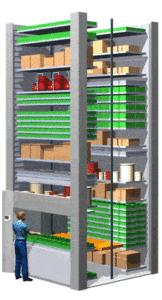
With a small footprint, a VLM machine can improve storage density by up to 85%. This allows companies to store more products in less space. These vertical storage modules eliminate the time workers spend walking and searching for items. This can save up to two-thirds of your current labor needs.
Vertical lift storage systems can use any level of inventory management. This ranges from a simple controller to advanced software. The system connects easily to your warehouse management system wms, warehouse execution systems, and ERP. This provides real-time control over all your inventory.
With a quick barcode scan, operators can find and store items fast. This removes the errors that happen with manual searching. It also lowers costs from lost or misplaced products. The vertical lift module vlm can work as one unit or as part of a larger group. It integrates with workstations, conveyors, and autonomous mobile robots (AMRs) to create a flexible storage and retrieval system.
How a Vertical Lift Module (VLM) Warehouse System Transforms Your Operations
Implementing a Vertical Lift Module (VLM) automated storage and retrieval system can provide a multitude of benefits for organizations seeking to optimize their warehouse operations and improve overall efficiency. Here are some key reasons why a VLM system can be a game-changer for your organization:
- Space Optimization: VLM systems utilize vertical space, enabling organizations to store more items in a smaller footprint. This is particularly valuable in facilities with limited floor space, as the compact design of a VLM can free up valuable real estate for other critical business functions.
- Increased Productivity: The automated nature of VLM systems eliminates the need for manual searching and walking, significantly reducing the time and effort required for storage and retrieval tasks. This, in turn, boosts worker productivity and allows employees to focus on more value-added activities.
- Improved Inventory Accuracy: VLM systems provide real-time inventory visibility and tracking, ensuring that organizations have a clear understanding of their stock levels and item locations. This enhanced inventory management reduces the risk of misplaced or lost items, leading to improved order fulfillment and customer satisfaction.

- Enhanced Safety: Vertical Lift Module systems are designed with robust safety features, such as light curtains and emergency stop buttons, to protect operators and prevent accidents. This creates a safer work environment, reducing the risk of injuries and the associated costs.
- Cost Savings: By optimizing space, improving productivity, and enhancing inventory management, VLM systems can lead to significant cost savings for organizations. These savings can be realized through reduced labor expenses, decreased inventory carrying costs, and minimized operational inefficiencies which all contribute to achieving a rapid return on investment (ROI). The ROI on VLMs can often be hit in under 24 months.
- Scalability and Flexibility: Vertical Lift Module systems can be designed and configured to meet the specific needs of an organization, whether it’s a small-scale operation or a large-scale warehouse. This scalability and flexibility allow businesses to adapt to changing demands and future growth without the need for major infrastructure overhauls.
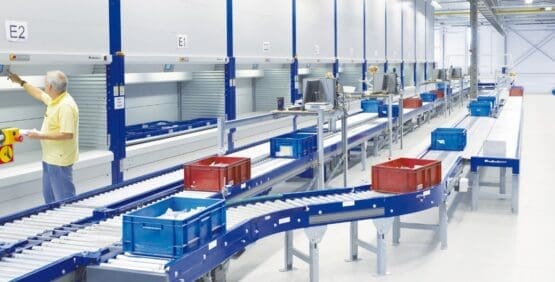
By leveraging the benefits of a VLM automated storage and retrieval system, organizations can streamline their operations, improve their bottom line, and gain a competitive edge in their respective markets.
Key Benefits of Vertical Lift Module Storage Systems
The implementation of a Vertical Lift Module (VLM) automated storage and retrieval system can provide a wide range of benefits for organizations, significantly enhancing their operational efficiency and overall performance: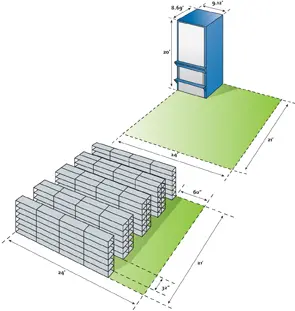
- Space-savings up to 85%
- Improved picking accuracy to 99.9%
- Reduced labor costs by up to 2/3
- Increase picking speeds for a single VLM up to 175 lines/hour; Multiple units up to 550 lines/hour
- Increased storage capacity increasing available floor space and eliminating new construction or moving costs
- Enhanced inventory management
- Faster order fulfillment by up to 2/3
- Ergonomic workstations eliminate worker fatigue and injuries
- Secure inventory storage by password or work ID
- Improved safety helps eliminate work comp litigation
- Optimized workflow efficiency
- Scalability, flexibility, and agility
Mini-Load ASRS Applications in Automated Warehouses
Vertical Lift Module Applications: Parts Management & Warehouse Storage
Industries that Benefit from Vertical Lift Module VLMs
Factors to Consider When Implementing a Vertical Lift Module System
When considering the implementation of a Vertical Lift Module (VLM) automated storage and retrieval system, there are several key factors that organizations should carefully evaluate to ensure a successful deployment. Let’s explore some of the critical considerations:
- Serviceability: You will need an organization that can provide 24/7 local service with a phone call. VLMs are incredibly reliable and require scheduled maintenance, but on occasion an operator or the system can have a problem. Knowing that you are one phone call or email away from having a local service team available makes a big difference.

- Facility Layout and Space Constraints: The physical layout of the facility and the available floor space are crucial factors in determining an appropriate VLM configuration. What is your available clear height? Organizations must assess their current and future storage requirements to ensure that the VLM system can be seamlessly integrated into the existing infrastructure.

- Inventory Characteristics: The nature and volume of the items to be stored in the VLM system will influence the design and configuration of the system. Factors such as item size, weight, and velocity must be considered to ensure that the VLM can accommodate the specific storage needs. Every individual tray can be set to operate at an efficient speed based on the inventory’s fragility.
- Operational Requirements: Organizations must carefully consider their operational requirements, including the frequency of storage and retrieval, the need for temperature-controlled environments, and the integration with other warehouse management systems.
- Scalability and Flexibility: As business needs and storage requirements evolve over time, the ability to scale and adapt the VLM system becomes crucial. Organizations should evaluate the system’s scalability, allowing for future expansion or modifications to accommodate growth and changes in the business.
- Integration with Existing Systems: In many cases, the VLM system will need to integrate with the organization’s existing warehouse management system (WMS) or enterprise resource planning (ERP) software. Careful planning and coordination are required to ensure seamless data exchange and real-time inventory visibility across the entire operation.
- Training and Support: Proper training and ongoing support for the VLM system are essential for ensuring optimal performance and maximizing the benefits of the technology. Organizations should consider the availability of training resources, technical support, and maintenance services offered by the VLM manufacturer or supplier.
By carefully considering these factors, organizations can make informed decisions and implement a Vertical Lift Module automated storage and retrieval system that align best with their specific operational requirements and strategic business objectives.